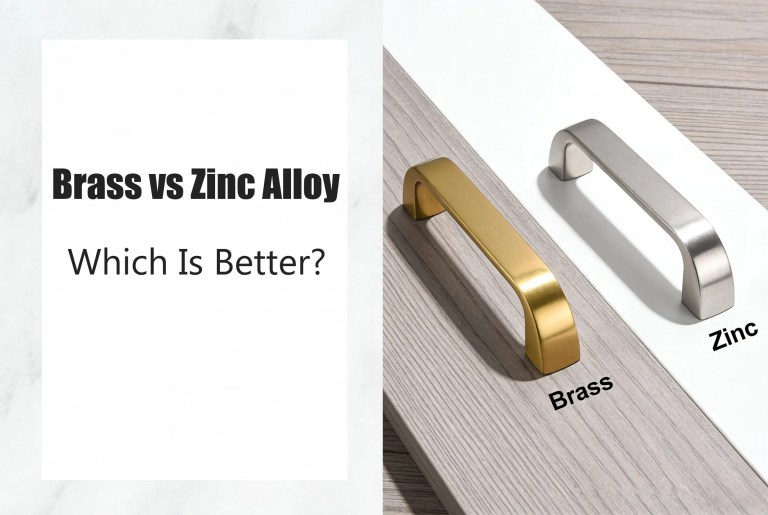
How to Choose the Right Custom Cabinet Handles for Your Furniture
Custom cabinet handles should be selected based on furniture style, handle material, surface finish, and usability. For most furniture projects, manufacturers choose brass, zinc alloy, aluminum, or stainless steel depending on durability, cost, and design flexibility. Matching the cabinet handles to the furniture design ensures both visual consistency and long-term functionality.
| Key Takeaway | Why It Matters |
|---|---|
| Match the furniture style | The handle should complement the overall design, whether modern, classic, or industrial. |
| Choose the right material | Brass, zinc alloy, stainless steel, and aluminum offer different durability and design flexibility. |
| Surface finish matters | Different finishes influence durability, cleaning, and visual appearance. |
| Comfort improves usability | Well-designed handles provide better grip and everyday functionality. |
Choosing the right custom cabinet handles is an important step in furniture design and cabinet manufacturing. Cabinet hardware is not only a functional component but also a visual detail that strongly influences the style and perceived quality of the furniture.
For furniture brands, cabinet manufacturers, and hardware buyers, selecting the right furniture handles requires considering several key factors. These include design compatibility, material durability, surface finishing, and user experience.
In this guide, we explain how to choose cabinet handles based on furniture style, materials, finishes, and practical usage requirements.
What Are Custom Cabinet Handles?
Custom cabinet handles are cabinet hardware components that are designed or modified to meet specific furniture design requirements. Unlike standard hardware, custom handles allow furniture manufacturers to control the material, size, shape, finish, and mounting structure.
Furniture brands often use custom cabinet handles to create a consistent product identity across their collections. For example, a brand may develop a unique brass handle design and apply it to kitchen cabinets, wardrobes, and storage furniture to maintain a recognizable design style.
Custom handles are commonly used in:
- Kitchen cabinet manufacturing
- Wardrobe and closet furniture
- Luxury residential furniture
- Commercial cabinetry and office furniture
Because of this flexibility, custom cabinet handles are widely used by furniture brands, cabinet factories, and hardware distributors looking for differentiated designs.
1. Match Cabinet Handles with Furniture Design Style
The first step when selecting custom cabinet handles is ensuring the design matches the overall style of the furniture. Even well-designed cabinets can look unbalanced if the hardware does not fit the design language.
Different furniture styles typically use different handle types.
Modern and Minimalist Furniture
Modern furniture designs often favor simple bar handles, slim pulls, or minimal geometric shapes. These styles emphasize clean lines and a neat appearance.
Materials commonly used include aluminum and stainless steel, often with brushed or matte finishes to maintain a contemporary look.
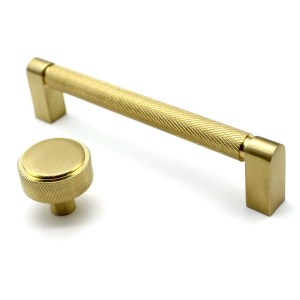
Aluminium Knurled T Bar Furniture Handle – A minimalist design with knurled texture that improves grip while maintaining a clean modern appearance.
Classic or Traditional Furniture
Traditional furniture typically uses decorative handles with more detailed shapes. Solid brass cabinet handles are especially popular because they provide a warm and premium appearance.
Finishes such as antique brass, bronze, or brushed gold are commonly used for traditional cabinets, wardrobes, and luxury furniture collections.
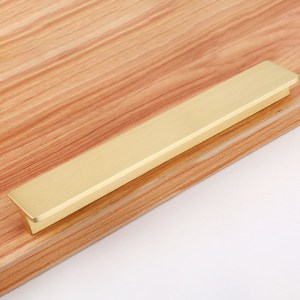
Durable T-Shaped Brass Cabinet Handles – A classic T-bar style that works well for both traditional and transitional furniture designs.
Industrial Style Furniture
Industrial furniture designs often feature darker finishes and stronger visual elements. Zinc alloy cabinet handles with black or dark finishes are commonly used to achieve a bold and durable appearance.
These handles are widely used in industrial cabinets, office furniture, and modern loft-style interiors.
Selecting handles that match the furniture style helps create a consistent and professional product design.
2. Best Materials for Custom Cabinet Handles
The material of cabinet handles affects durability, cost, manufacturing flexibility, and visual appearance. Choosing the right material is especially important for furniture manufacturers and hardware buyers.
Below is a comparison of common cabinet handle materials.
Different furniture styles typically use different handle types.
Cabinet Handle Material Comparison
| Material | Durability | Cost Level | Best Applications |
|---|---|---|---|
| Brass | Excellent | High | Luxury cabinets, premium furniture |
| Zinc Alloy | Good | Medium | Complex handle shapes, mass production |
| Aluminum | Good | Medium | Modern minimalist furniture |
| Stainless Steel | Excellent | Medium | Kitchens and moisture-prone environments |
Brass Cabinet Handles
Brass is widely used for premium furniture hardware. It offers excellent durability, corrosion resistance, and a solid feel.
Advantages include:
- Long service life
- Strong corrosion resistance
- High-end appearance
Brass handles are commonly used in luxury kitchens, wardrobes, and custom furniture projects.
Zinc Alloy Cabinet Handles
Zinc alloy is one of the most popular materials for custom cabinet handles because it allows complex shapes to be produced through die-casting.
Advantages include:
- Flexible design possibilities
- Cost-effective production
- Good durability for everyday furniture use
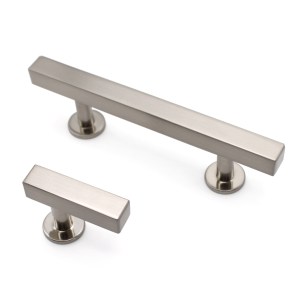
Custom Zinc Alloy Square Bar Cabinet Handles with Round Base – A modern design that demonstrates the flexibility of zinc alloy casting.
Aluminum Cabinet Handles
Aluminum cabinet handles are lightweight and commonly used in modern furniture production.
Advantages include:
- Lightweight structure
- Good corrosion resistance
- Ideal for long cabinet pulls
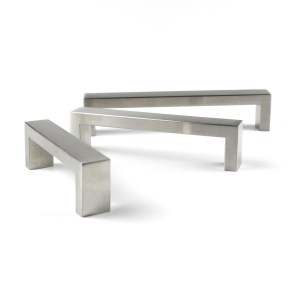
Although the example above is stainless steel, this slim rectangular profile is also common in aluminum cabinet handles.
3. How Cabinet Handle Size Affects Furniture Design
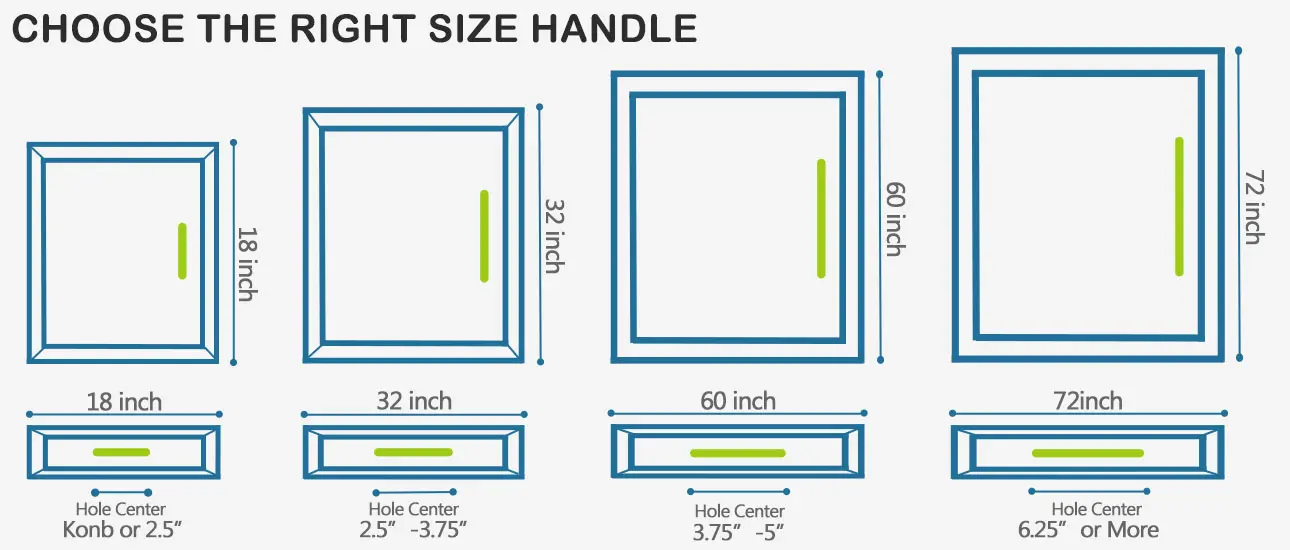
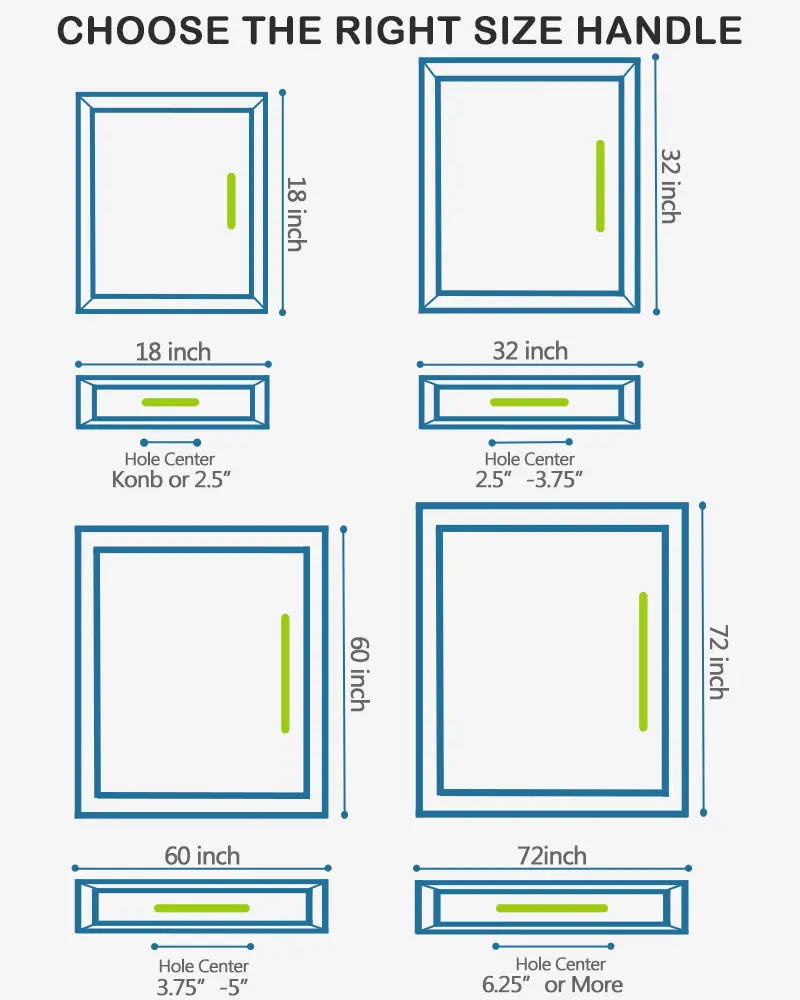
Besides material and finish, the size of cabinet handles also plays an important role in furniture design. Handle length influences both usability and visual balance.
Small drawers usually work well with knobs or short pulls, while wide drawers often require longer bar handles to maintain proper proportion. A common guideline used by furniture designers is selecting a handle length that is approximately one-third of the drawer width.
For large kitchen drawers or wardrobe panels, longer cabinet handles (8–12 inches) are often used to create a stronger visual statement and provide better grip.
Choosing the correct cabinet handle size improves both the appearance and the usability of the furniture.
4. Popular Surface Finishes for Cabinet Handles
Besides material, surface finishing is another important factor when choosing cabinet handles. The finish affects both appearance and long-term durability.
Brushed Finish
Brushed finishes create a fine textured surface that reduces fingerprints and scratches. They are widely used in modern kitchens and contemporary furniture.
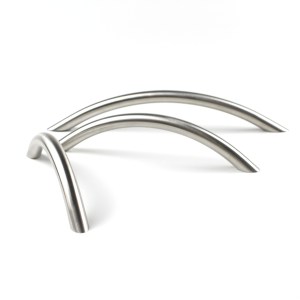
Arch Solid Stainless Steel Cabinet Handle – The brushed finish gives a clean and practical appearance.
Matte Finish
Matte finishes produce a smooth, non-reflective surface that fits well with minimalist and modern interiors.
Black matte cabinet handles are especially popular in contemporary kitchen designs.
Polished Finish
Polished finishes create a highly reflective and decorative appearance. These finishes are often used in luxury furniture and classic cabinet collections.
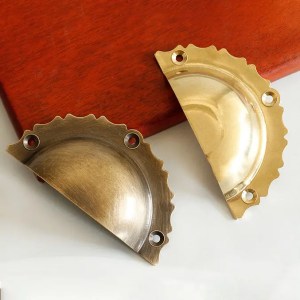
This comparison image shows how brushed and polished finishes create different visual effects. casting.
5. Consider Function, Size, and User Experience
While appearance is important, functionality should always be considered when choosing cabinet handles.
Key factors include:
- Comfortable grip for daily use
- Proper handle length for cabinet drawers
- Strong mounting structure
- Suitable size for different furniture applications
For example, kitchen cabinets require handles that are easy to clean and resistant to moisture. Wardrobe handles, on the other hand, may focus more on visual design.
If you are unsure about handle sizes, see our detailed guide:
For sleek designs, you may also consider:
Balancing usability and aesthetics helps ensure the furniture hardware improves both design quality and long-term functionality.
Conclusion
Choosing the right custom cabinet handles involves more than selecting an attractive design. Furniture brands and cabinet manufacturers should evaluate several key factors, including:
- Furniture design style
- Cabinet handle materials
- Surface finishing options
- Functionality and installation requirements
By carefully selecting cabinet hardware, manufacturers can improve furniture quality, maintain consistent design language, and ensure long-term durability.
Besko provides OEM and custom cabinet handle solutions for furniture brands, cabinet manufacturers, and hardware distributors. Our customization services support different materials, finishes, and structural designs to meet specific project requirements.
Explore customization options here:
Frequently Asked Questions
What size cabinet handles should I choose?
A common rule is to choose handles that are about one-third the width of the drawer. Larger drawers may use longer pulls or two handles for balance.
What is the difference between knobs and pulls?
Knobs usually use a single screw and are smaller, while pulls or handles use two screws and allow a full hand grip.
Can I replace cabinet knobs with bar handles?
Yes, but bar handles typically require two screw holes. You may need to drill new holes or use a handle with a backplate.
What material is best for kitchen cabinet handles?
Stainless steel and solid brass are usually the best choices because they resist moisture and heavy use.
Are custom cabinet handles worth it for furniture brands?
Yes. Custom cabinet handles allow furniture brands to create unique designs, maintain consistent product identity, and differentiate their products in the market.
Need Custom Cabinet Handles for Your Project?
If you are sourcing custom cabinet handles for furniture manufacturing or cabinet projects, our team can support your OEM and design customization requirements.