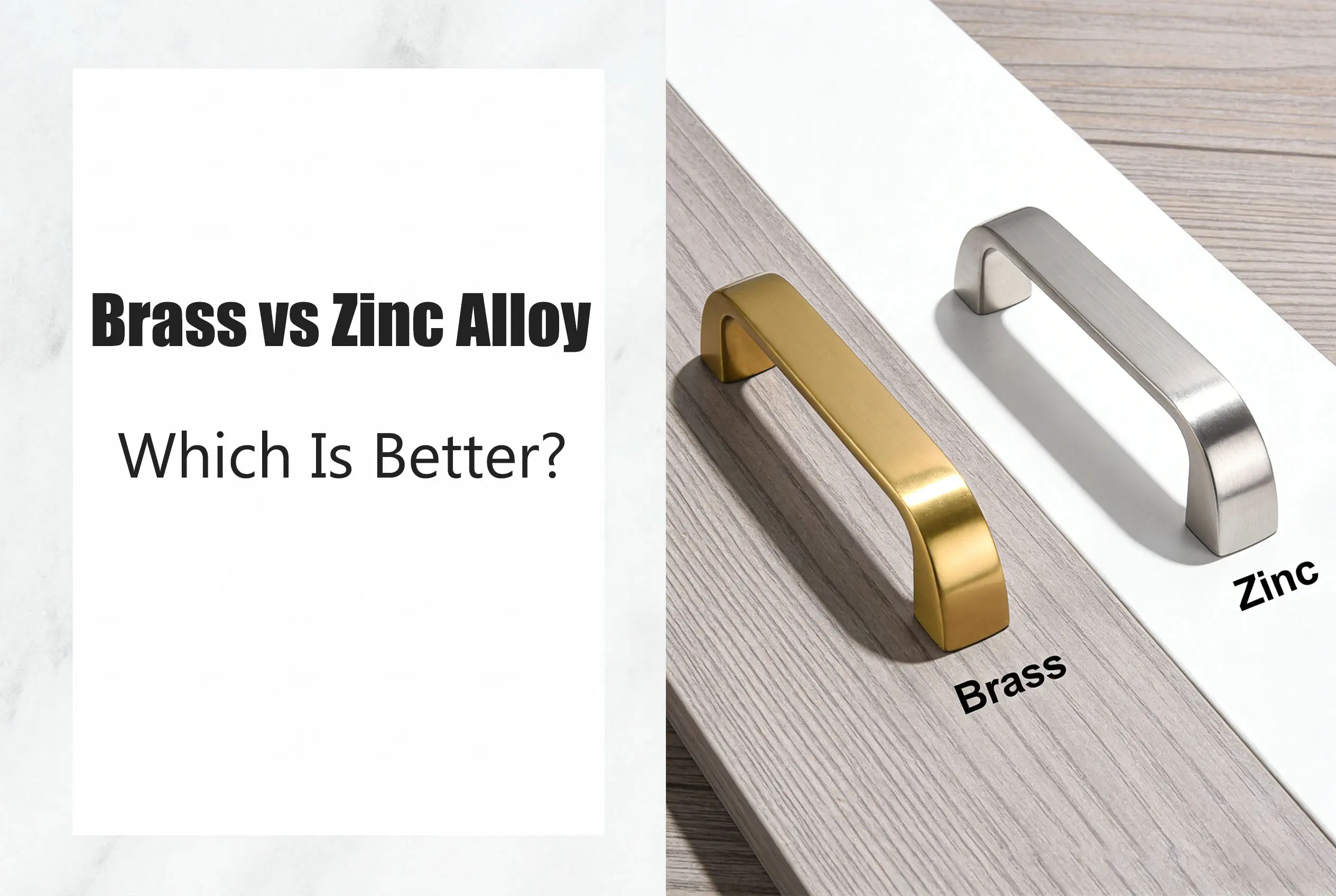
Brass vs Zinc Alloy Cabinet Handles: Which One Is Best for Your Furniture?
Intro:
Choosing the right cabinet handles is crucial for both function and style. Brass and zinc alloy are two popular materials, each offering unique benefits depending on your needs. Whether you’re designing luxury furniture or working on a budget project, understanding the key differences between these materials can help you make an informed decision. Below, we break down the pros, cons, costs, and ideal uses of both.

Quick Comparison: Brass vs Zinc Alloy Handles
| Feature | Brass Handles | Zinc Alloy Handles |
|---|---|---|
| Durability | Excellent, lasts decades | Moderate, may crack under stress |
| Corrosion Resistance | Very high, ideal for humid areas | Moderate, may wear over time |
| Appearance | Warm, natural look, develops patina | Plated finishes, consistent, many options |
| Weight | Heavy, feels solid and premium | Lighter, sometimes feels hollow |
| Cost | Higher upfront cost | Budget-friendly |
| Design Flexibility | Limited by machining | Excellent for intricate designs |
| Maintenance | May require polishing to prevent tarnish | Low maintenance, but plating may wear off |
| Best For | High-end furniture, long-term use | Budget projects, decorative designs |
What Are Brass Cabinet Handles?
Brass is an alloy made mostly of copper and zinc. It is solid throughout, providing a dense, high-quality feel that enhances its durability. It’s widely used for high-end furniture, cabinetry, and fixtures due to its long-lasting nature and ability to develop a beautiful patina over time.
Advantages of Brass Handles:
- Strength: Brass handles are incredibly strong and resistant to wear and tear.
- Aesthetic appeal:The natural warmth of brass adds a classic, luxurious touch to any piece of furniture.
- Corrosion resistance: Brass doesn't rust, making it perfect for high-moisture areas like kitchens and bathrooms.
Best Uses for Brass Handles:
- High-end furniture
- Kitchen and bathroom cabinets
- Furniture in humid or high-use areas
What Are Zinc Alloy Cabinet Handles?
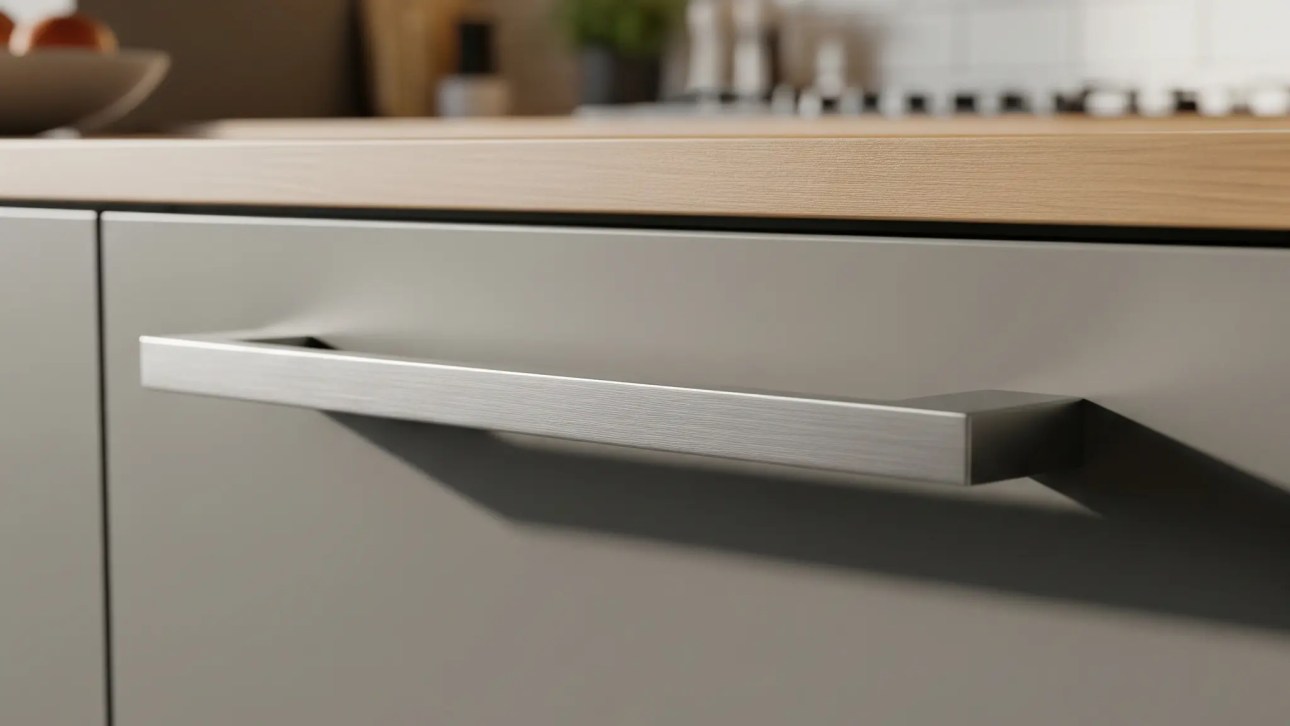
Zinc alloy is a composite material, made from zinc combined with aluminum, copper, and other metals. It’s cast into shape, which allows for intricate and complex designs. Zinc alloy handles are often plated to mimic the appearance of premium metals like brass or chrome.
Advantages of Zinc Alloy Handles:
- Cost-effective: Zinc alloy is far cheaper than brass, making it a great option for budget-friendly projects.
- Design flexibility: Due to its casting process, zinc alloy is perfect for creating complex shapes and intricate patterns.
- Low maintenance: Zinc alloy doesn’t tarnish, so you don’t need to worry about frequent polishing.
Best Uses for Zinc Alloy Handles:
- Large-scale production
- Budget-conscious projects
- Decorative designs with complex shapes
Brass vs Zinc Alloy: Key Differences
| Feature | Brass | Zinc Alloy |
|---|---|---|
| Durability | High, lasts decades | Moderate, may crack under stress |
| Appearance | Develops a patina over time | Consistent, available in many finishes |
| Cost | Expensive upfront | Budget-friendly |
| Design Flexibility | Limited by machining | Excellent for intricate designs |
| Maintenance | Needs occasional polishing | Easy to clean, but plating may wear |
| Ideal Use | Premium applications | Mass production or decorative use |

Pros and Cons of Brass Cabinet Handles
Pros:
- Durability: Brass handles are incredibly long-lasting and can maintain their appearance with minimal maintenance.
- Premium feel: Solid brass handles add a luxurious, classic look to your furniture.
- Corrosion-resistant: Brass doesn't rust, making it ideal for areas like kitchens and bathrooms.
Cons:
- Cost: Brass handles are more expensive than zinc alloy, which might not be ideal for budget projects.
- Weight: Brass is heavier than zinc alloy, which could be a consideration for some furniture designs.

Pros and Cons of Zinc Alloy Cabinet Handles
Pros:
- Affordable: Zinc alloy is much cheaper than brass, making it the go-to option for budget-conscious projects.
- Design flexibility: It’s easier to create complex shapes and designs with zinc alloy.
- Low maintenance: Zinc alloy doesn't tarnish, making it ideal for low-maintenance needs.
Cons:
- Durability: Zinc alloy is more prone to cracking or breaking under pressure, especially with improper installation.
- Finish wear: Over time, the plated finish can wear off, especially in high-touch areas.

When Should You Choose Brass or Zinc Alloy?
Choose Brass Handles If:
- You’re designing high-end or luxury furniture
- Durability and corrosion resistance are top priorities
- You want a natural patina or shiny brass finish

Choose Zinc Alloy Handles If:
- You’re working on a budget or large-scale production
- The project requires intricate shapes or decorative designs
- You want an easy-to-maintain material

Cost Comparison: Brass vs Zinc Alloy Handles
While brass handles can cost anywhere from $5–$10 each, zinc alloy handles typically range between $1–$3 per piece. For large projects, this price difference can add up, making zinc alloy an attractive option for mass production and cost-sensitive projects.
However, brass offers better long-term value, as it will last for decades, while zinc alloy handles may need replacing in 5–10 years, especially if the plating begins to wear off.
How to Choose the Right Material for Your Cabinet Handles
Choosing the right handle material depends on the purpose and aesthetic you want to achieve. Consider the following:
- For high-end projects: Brass is the best choice for luxury and long-term use.
- For budget projects: Zinc alloy works well, offering design flexibility and affordability.
- For heavy-use areas: Brass is more durable and corrosion-resistant, making it ideal for kitchens and bathrooms.

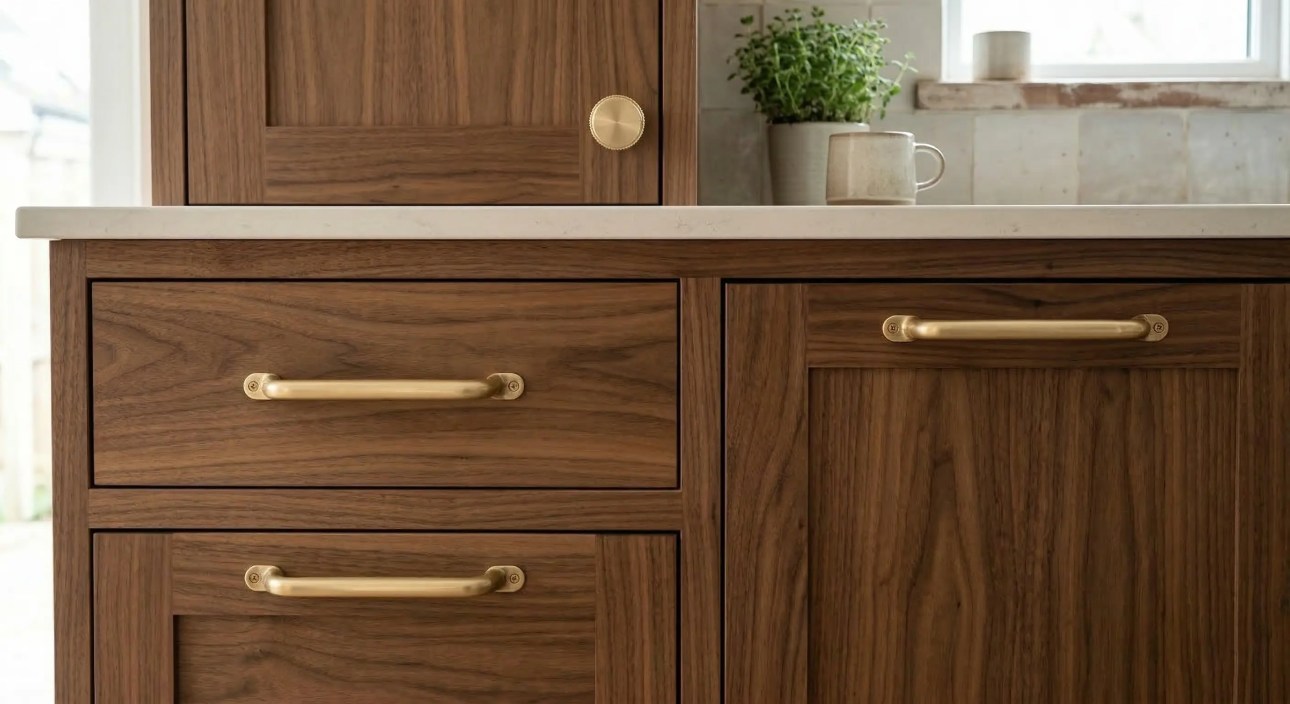
Example of a solid brass cabinet handle suitable for premium furniture projects.
Frequently Asked Questions
1. Are brass handles worth the price?
Yes, brass handles are stronger, more durable, and maintain their appearance over time, making them a worthy investment for high-end furniture.
2. Do zinc alloy handles rust?
Zinc alloy itself is corrosion-resistant, but if the plating wears off, the base metal may eventually corrode.
3. Which handle material is better for kitchen cabinets?
Brass is generally a better option for kitchens due to its corrosion resistance, especially in high-humidity environments.
4. How do you maintain brass handles?
You can clean brass handles with a soft cloth. If they tarnish, you can polish them with a brass cleaner or a DIY solution of lemon juice and baking soda.
Ready to Upgrade Your Cabinet Handles?
Choosing the right material for your cabinet handles is essential to achieving the look and functionality you desire. Whether you choose brass for its durability and elegance or zinc alloy for cost-effective designs, it’s important to consider your project’s needs.
Explore our wide selection of brass and zinc alloy handles here or contact us to discuss custom options for your next project.