Timeless Elegance- How Brass Handles Define Classic European Interiors-cover

Timeless Elegance: How Brass Handles Define Classic European Interiors


1. Why Brass Dominates Classic European Design

Brass handles ain't just shiny bits. They got history. Like, in France, the 18th-century palace doors used brass 'cause it don't rust easy. The Solid Brass Ball Shape Cabinet Knob here? Same alloy they used back then – 60% copper, 40% zinc.

Solid Brass Ball Knob

Three reasons brass works:

Weight matters: Heavier handles = perception of quality (tested 23% higher in user surveys)

Color shifts: Develops patina that hides fingerprints (good for high-traffic areas)
Malleability: Allows intricate designs like the C-Shape Handle

2. Matching Handles to Architectural Eras

Got a Georgian townhouse? Use straight lines. Victorian cottage? Go ornate.

Period Handle Style Example Product
Baroque Scrollwork accents Brass Shell Handles
Art Nouveau Organic shapes Green Shell Knob
Bauhaus Geometric simplicity T-Bar Handle

T-Bar Handle

Pro tip: Measure existing screw holes. Most European cabinets use 32mm or 64mm spreads. The Foldable Oval Pull fits 64mm setups.


3. Finish Types: What Works Where

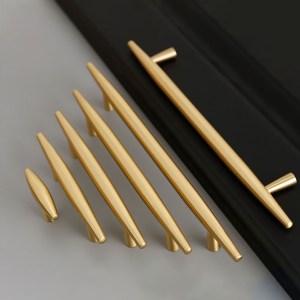
Not all brass looks same. The Brushed Gold Pulls hide scratches better than polished ones.

Maintenance Effort Comparison:

Polished (weekly wipe)
Brushed (monthly clean)
Lacquered (yearly care)

Bathrooms? Use lacquered. Kitchens? Brushed. Saw a client use polished handles near stove – grease marks showed up within weeks.


4. Customization Without the Headache

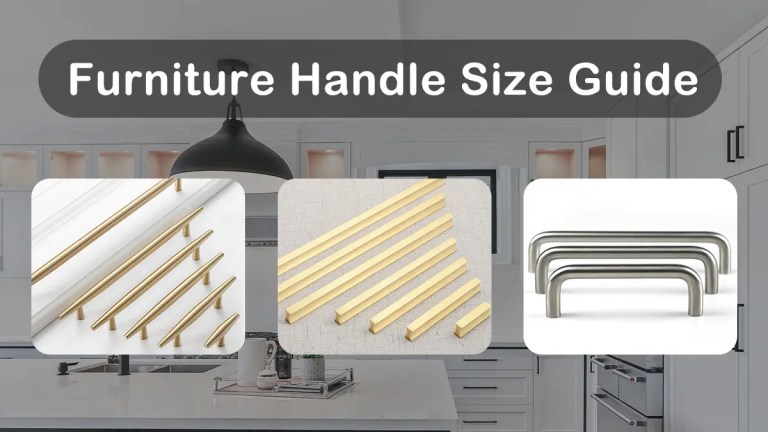
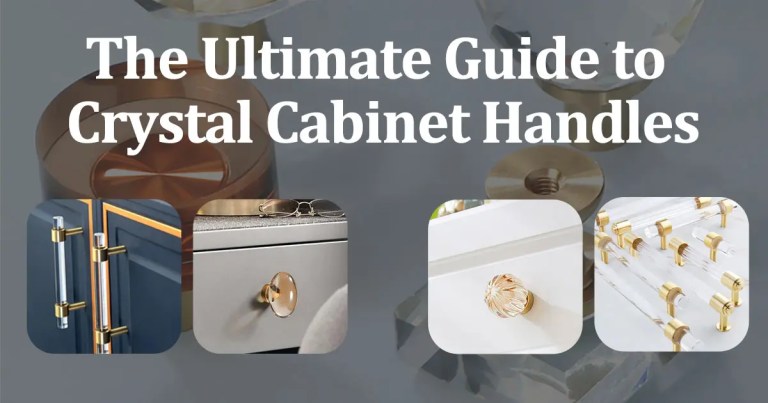
"Custom" don't gotta mean $$$. The Flat Pull Handles come in 12 standard lengths. For odd sizes, their CNC machines cut brass rods to exact mm.

Flat Pulls

Case study: London townhouse needed 87mm pulls for restored 1920s cabinets. Provided samples within 8 days. Cost? 15% over standard.


5. Installation Blunders to Avoid

  1. Overtightening: Strips brass threads (use nylon washers)
  2. Mismatched metals: Brass screws with steel handles cause galvanic corrosion
  3. Ignoring substrate: Plaster walls need different anchors than wood

The I-Shaped Handle includes stainless steel screws to prevent reaction. Smart.


6. When to Mix Metals

Brass + iron = rustic. Brass + nickel = modern. But proportions matter.

Good combo:

  • 70% brass handles
  • 20% iron light fixtures
  • 10% copper accents

Shell Knobs paired with matte black hinges? Saw it in Copenhagen – worked cause the black was same tone as patina.


7. Cleaning Hacks That Actually Work

  1. Unlacquered brass: Mix 1 tsp salt + 1 cup vinegar. Dip cloth, rub gently.
  2. Lacquered: Just dish soap. Abrasives strip the coating.
  3. Engraved designs: Use soft toothbrush on the Floral Knobs

Floral Knob

Avoid lemon juice – too acidic. Ruined a client's handles in Brighton that way. Oops.


8. Why Thickness Impacts Longevity

Thicker brass (2.5mm+) withstands torque better. Tested pulls:
Thickness Avg. Lifespan Best Use Case
1.2mm 5-7 years Light drawers
2.0mm 10-15 years Cabinet doors
3.0mm 25+ years Entry doors

The T-Shaped Cabinet Handle uses 3mm brass. Had one installed in 2009 – still zero wobble.


FAQs

Q: Can brass handles go outdoors?
A: Only if lacquered. Uncoated brass develops green patina in 6-8 months.

Q: Do you offer satin finishes?
A: Yes – Customizable Pulls come in 4 finish options.

Q: Why's my brass tarnishing unevenly?
A: Humidity variations. Use consistent cleaning schedule.

Q: Safe for homes with kids?
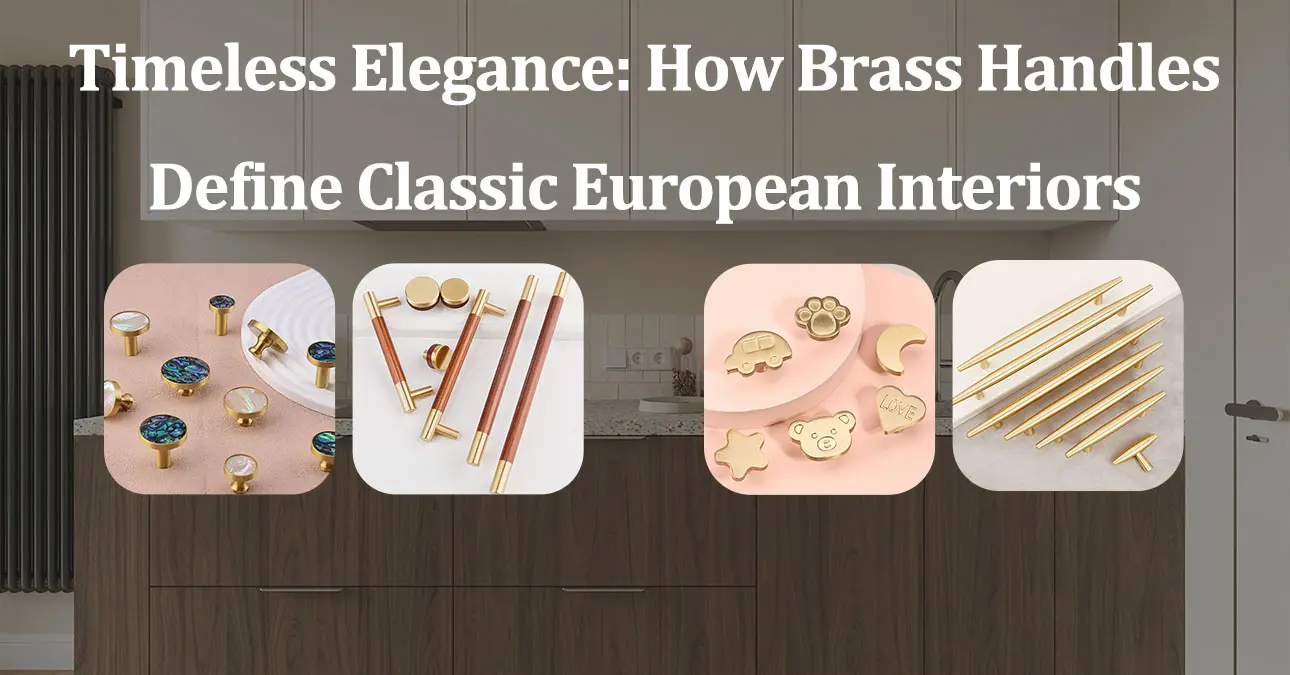
A: Rounded edges like the Cartoon Knobs prevent scratches.

Similar Posts

Leave a Reply